
Essential Foods to Combat Eye Fatigue
Discover the nutritional science behind eye health. Learn which foods contain the vitamins, minerals, and antioxidants your eyes need to stay sharp, focused, and fatigue-free throughout the day.
The information on this site is for educational purposes only and does not constitute medical advice. Always consult a qualified healthcare professional before making health decisions.
Browse by Category
Nine Powerhouse Foods for Eye Health
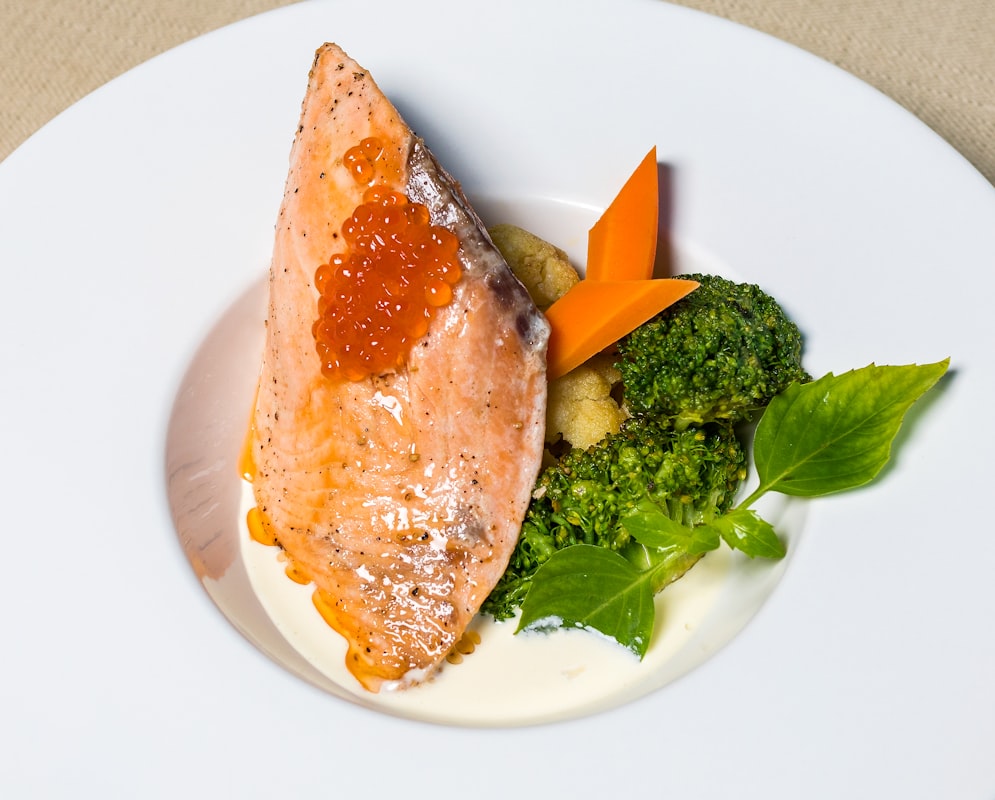
Spinach & Leafy Greens
Spinach, kale, and collard greens are loaded with lutein and zeaxanthin — carotenoid antioxidants that accumulate in the macula of your eye. These nutrients filter harmful blue light and reduce glare-related fatigue during extended screen time.
Read more about lutein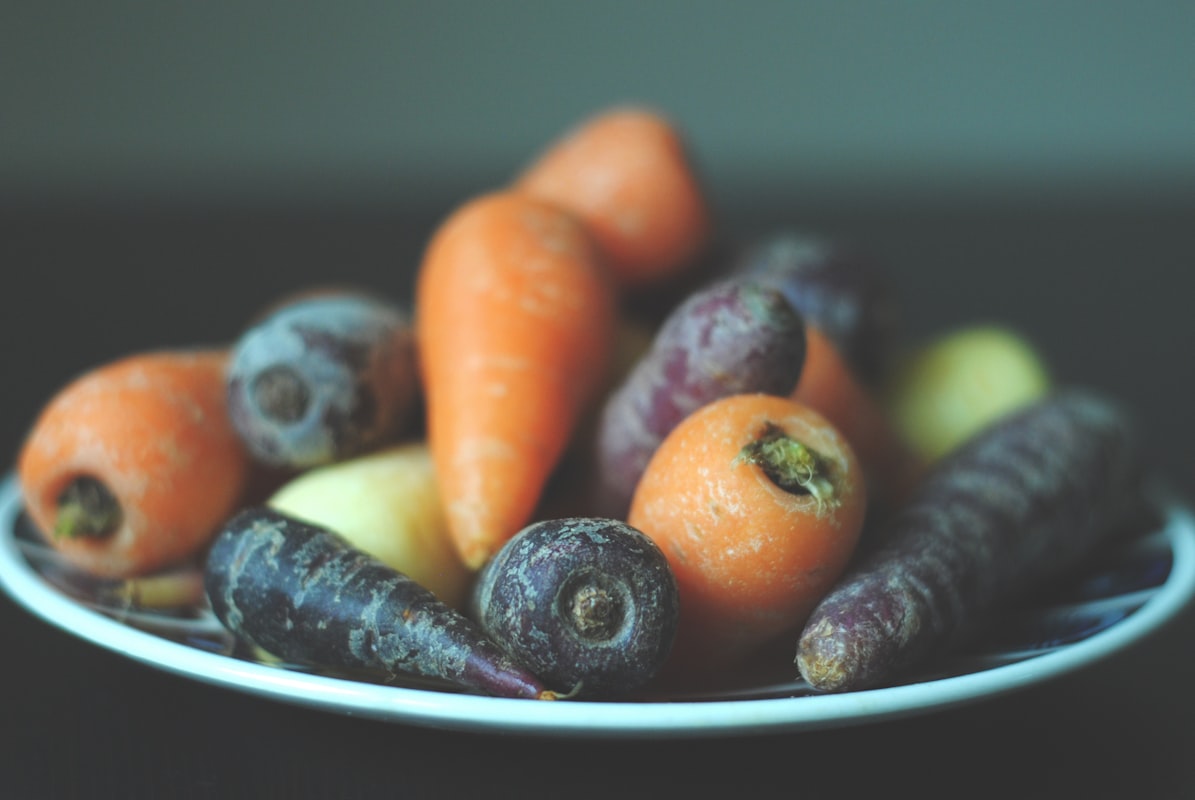
Carrots & Sweet Potatoes
Beta-carotene in orange vegetables converts to vitamin A, essential for maintaining healthy retinal cells and improving low-light vision. Regular consumption helps combat digital eye strain and supports overall visual acuity.
Learn about vitamin A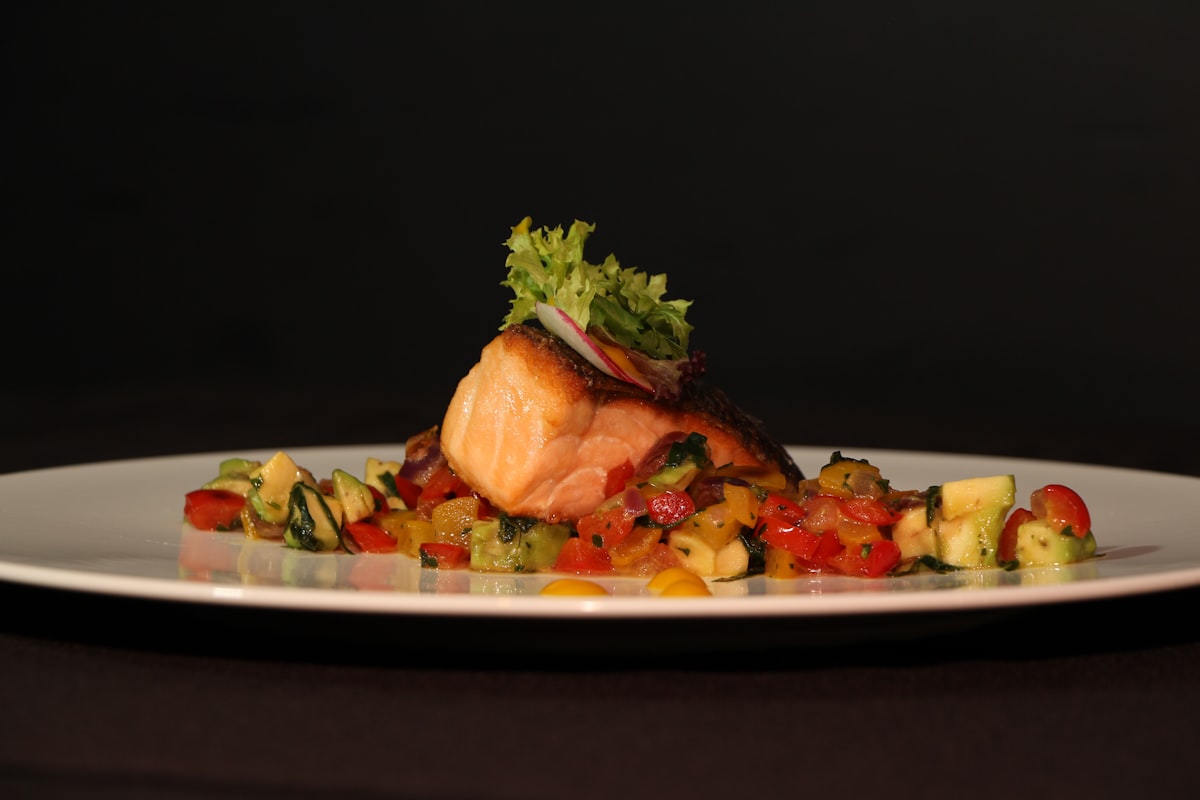
Blueberries & Dark Berries
Rich in anthocyanins, blueberries enhance blood circulation to the eyes and reduce inflammation from prolonged screen exposure. These antioxidants strengthen capillaries and improve oxygen delivery to eye tissues.
Discover anthocyanins
Nuts & Seeds
Almonds, walnuts, and flaxseeds provide omega-3 fatty acids and vitamin E, supporting retinal health and reducing dry-eye discomfort. These nutrients maintain the structural integrity of cell membranes in the eye.
Explore omega-3s
Salmon & Oily Fish
Fatty fish like salmon are excellent sources of EPA and DHA, omega-3 polyunsaturated fats that reduce inflammation and improve tear film quality. These essential nutrients combat dry-eye fatigue and support visual function.
Learn about DHA benefits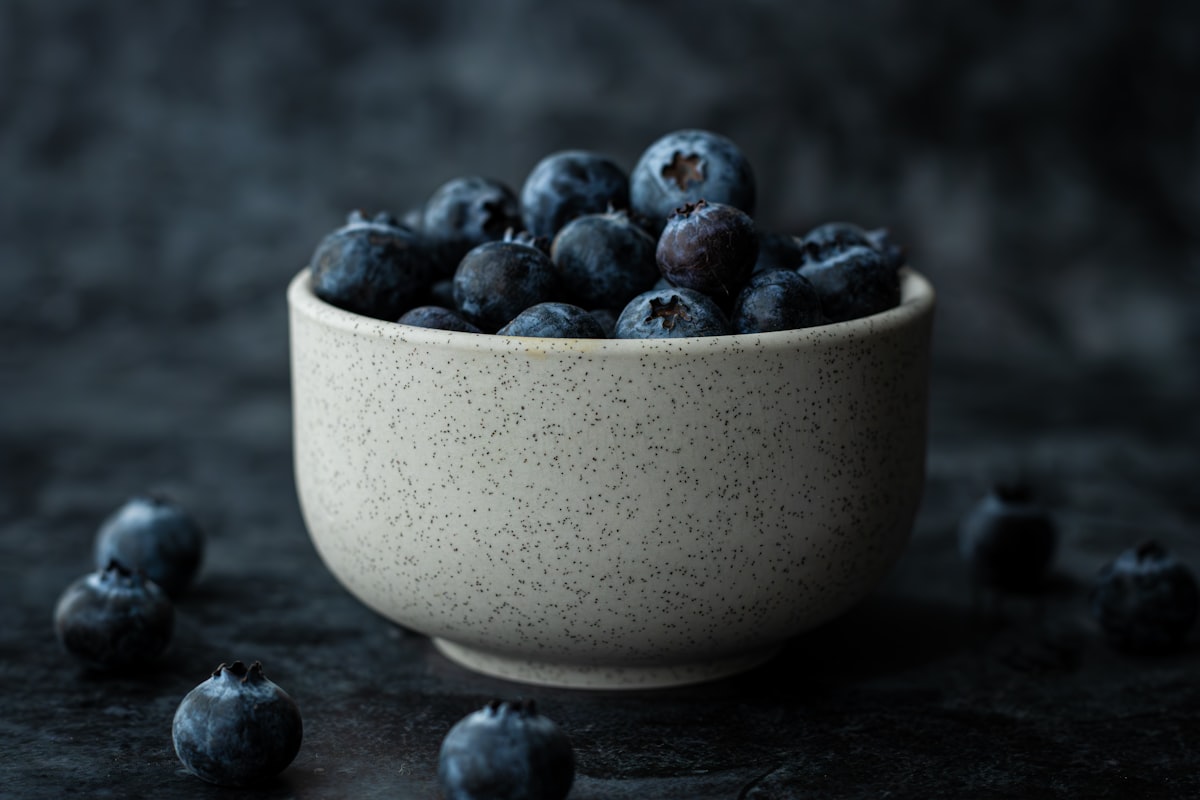
Bell Peppers & Tomatoes
High in vitamin C and lycopene, these red vegetables protect eye cells from oxidative stress caused by blue light exposure. Vitamin C supports collagen production in the cornea and lens, maintaining eye structural integrity.
Discover antioxidants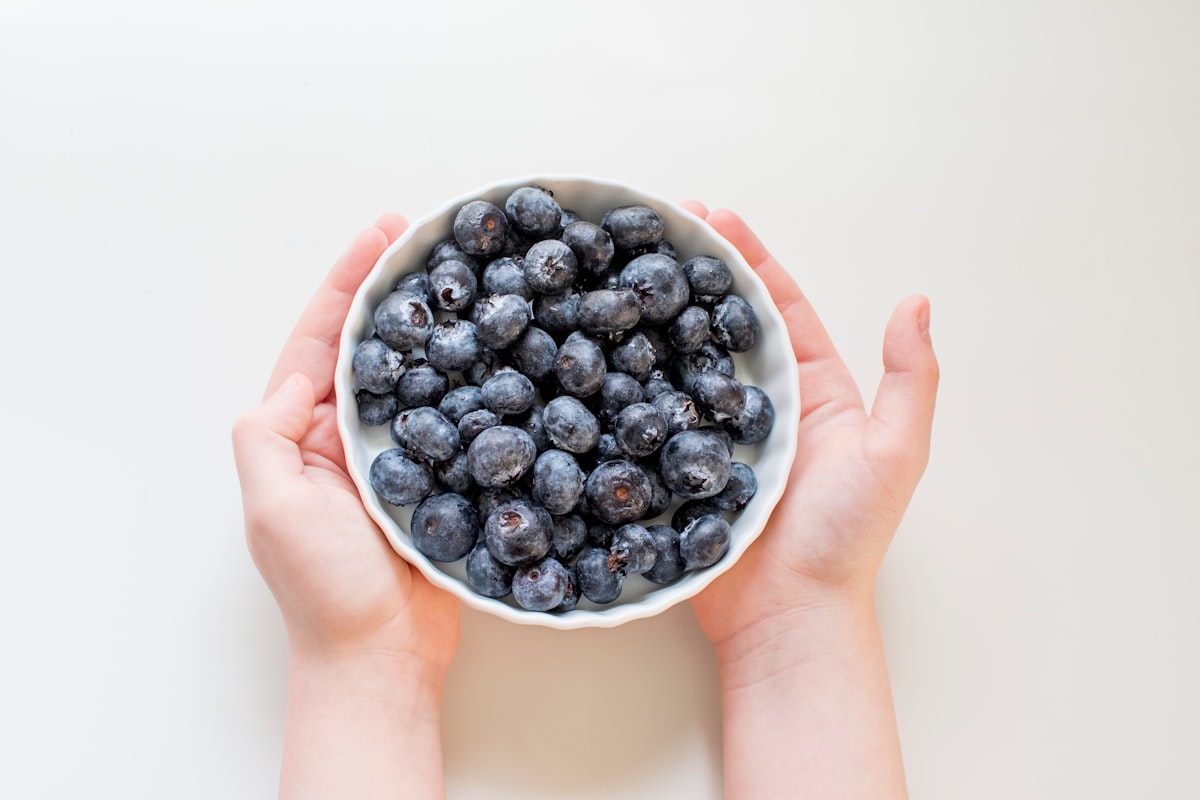
Eggs
Egg yolks contain choline, lutein, and zeaxanthin — nutrients that support macular health and enhance visual processing speed. The high bioavailability of these compounds makes eggs an efficient nutritional choice for eye wellness.
Read about choline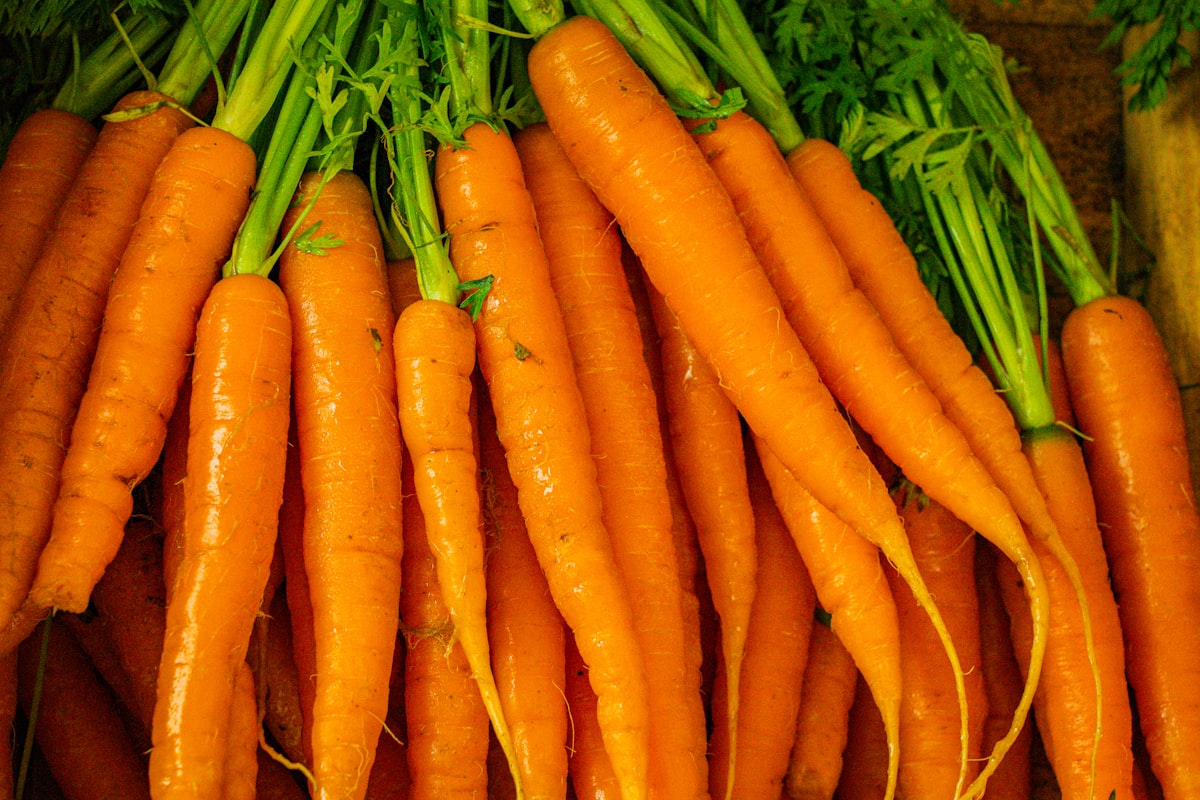
Dark Chocolate
Dark chocolate with 70% cacao or higher contains flavonoids that improve blood flow to retinal tissues and enhance contrast sensitivity. These compounds also have anti-inflammatory properties that reduce eye strain discomfort.
Learn about flavonoids
Green Tea
Green tea contains catechins and polyphenols with potent antioxidant activity. Regular consumption has been shown to support eye health by reducing inflammation and protecting retinal cells from age-related degeneration.
Explore polyphenolsThe Science Behind Nutritional Eye Care
Your eyes are constantly exposed to environmental stressors: blue light from screens, UV radiation from sunlight, and free radicals from oxidative processes. The foods in our comprehensive guide contain specific nutrients scientifically shown to address these challenges.
Lutein, zeaxanthin, and macular pigment form a natural filter in your macula that protects photoreceptor cells. Antioxidants like anthocyanins and polyphenols neutralize free radicals before they damage eye structures. Omega-3 fatty acids maintain cellular flexibility and reduce inflammatory responses to screen fatigue.
- Lutein & Zeaxanthin: Accumulate in the macula to filter blue light and reduce glare
- Antioxidants: Neutralize free radicals that contribute to eye strain and fatigue
- Omega-3 Fatty Acids: Support tear production and reduce dry-eye discomfort
- Vitamin A: Essential for retinal function and adaptation to changing light conditions

Featured Articles & Guides
Understanding Digital Eye Fatigue
Modern screen exposure has introduced new challenges for eye health. Learn how blue light affects your eyes, what symptoms signal fatigue, and how nutritional interventions support visual comfort during prolonged digital work.
Discover the relationship between screen time, circadian rhythms, and macular health in our detailed editorial exploration.
Read the full articleDaily Nutrition Plans for Eye Wellness
Practical guidance for incorporating lutein-rich and antioxidant-dense foods into your daily meals. Learn sample meal combinations that support sustained visual comfort and optimal eye function throughout the day.
Our editorial team has compiled evidence-based meal suggestions to help you build a vision-supporting diet.
Explore meal ideasResearch Insights on Macular Carotenoids
An in-depth look at peer-reviewed research on how lutein, zeaxanthin, and meso-zeaxanthin accumulate in eye tissues and provide protective benefits. Understand the bioavailability factors that make certain foods more effective.
Examine the latest scientific findings on nutritional support for optimal ocular health and fatigue reduction.
Read research summaryPractical Tips for Screen Workers
If you spend 8+ hours daily at a computer, eye strain is inevitable without intervention. Learn complementary strategies: nutritional choices, break protocols, lighting adjustments, and visual habits that work together for eye comfort.
Our comprehensive guide addresses screen workers' specific needs and challenges in maintaining visual wellness.
Discover practical strategiesFrequently Asked Questions
Research suggests that 10-12 mg of lutein daily supports optimal macular pigment density. This can be achieved through a combination of vegetables (spinach provides 6-8 mg per cooked cup) and supplementary foods. The key is consistency rather than single large doses — regular daily intake allows lutein to accumulate in eye tissues over time. Most people can meet this target through 2-3 servings of lutein-rich greens daily, combined with other colorful produce and healthy fats to enhance absorption.
Nutrition is a foundational component but works best as part of a comprehensive approach. While foods rich in antioxidants and omega-3s reduce inflammation and support cellular health, digital eye strain also responds to environmental factors: screen distance (20-26 inches is optimal), lighting conditions (minimize glare), and visual breaks (20-20-20 rule: every 20 minutes, look 20 feet away for 20 seconds). A nutrient-dense diet strengthens your eyes' resilience, but combining it with proper ergonomics and work habits produces the most noticeable improvements in comfort and visual acuity.
Some benefits appear quickly: improved tear quality and reduced dryness often improve within 2-4 weeks of consistent omega-3 intake. However, macular pigment accumulation — which provides blue-light protection — requires 2-6 months of sustained lutein intake to show measurable increases. The timeline depends on your baseline status, dietary adherence, and individual metabolism. Consistent daily intake of these foods is essential; sporadic consumption won't accumulate the protective benefits needed for sustained eye comfort and fatigue reduction.
Yes, frozen vegetables retain their nutritional value exceptionally well. Freezing occurs within hours of harvest and halts nutrient degradation, whereas "fresh" produce may lose nutrients during transport and storage. Frozen spinach, broccoli, and berries are reliable sources of lutein, zeaxanthin, and antiox idants for eye health. Choose frozen varieties without added sauces or sodium for optimal benefits.
Vision improvements vary by individual and condition. Some people notice sharper vision and reduced eye strain within 4–6 weeks of consistent dietary improvements. However, age-related macular degeneration (AMD) prevention and cataract risk reduction require long-term commitment—typically 6–12 months or longer to observe measurable changes. Consistency with nutrient-rich foods, combined with UV protection and regular eye exams, yields the best results.
Supplements complement—but do not replace—a balanced diet. Whole foods contain synergistic compounds and fiber that supplements alone cannot provide. The AREDS2 study showed supplementation benefits for intermediate AMD, yet food sources like leafy greens, fish, and nuts remain foundational. Always consult your ophthalmologist before starting supplements, as some may interact with medications or not suit your specific eye condition.
Real Results from Our Community
Discover how Innerestarkecv members have transformed their eye health through nutrition and informed choices.
"After following the lutein-rich meal plans, my eye strain from screen work disappeared within weeks. I can now work longer without fatigue. Innerestarkecv made it simple!"
Sarah Mitchell
Digital Professional
"My optometrist noticed improved retinal health after six months on this program. The omega-3 guidance and antioxidant focus truly work. Highly recommend!"
James Rodriguez
Age 58
"Clear vision, better night driving, and no more dry eye symptoms. The community support makes it easy to stay committed. Worth every moment!"
Emma Chen
Age 42
Start Your Eye Health Journey Today
Join thousands of members who've transformed their vision through informed nutrition choices. Get exclusive meal plans, expert guidance, and community support.
No credit card required. Access basic resources instantly.